ComponentVault Logo ComponentVault Contact Us
Contact Us

Editorial Team

We write practical guides about Figma component libraries and design systems

ComponentVault Editorial Team researches, tests, and documents how Edmonton teams build scalable UI kits that actually work.

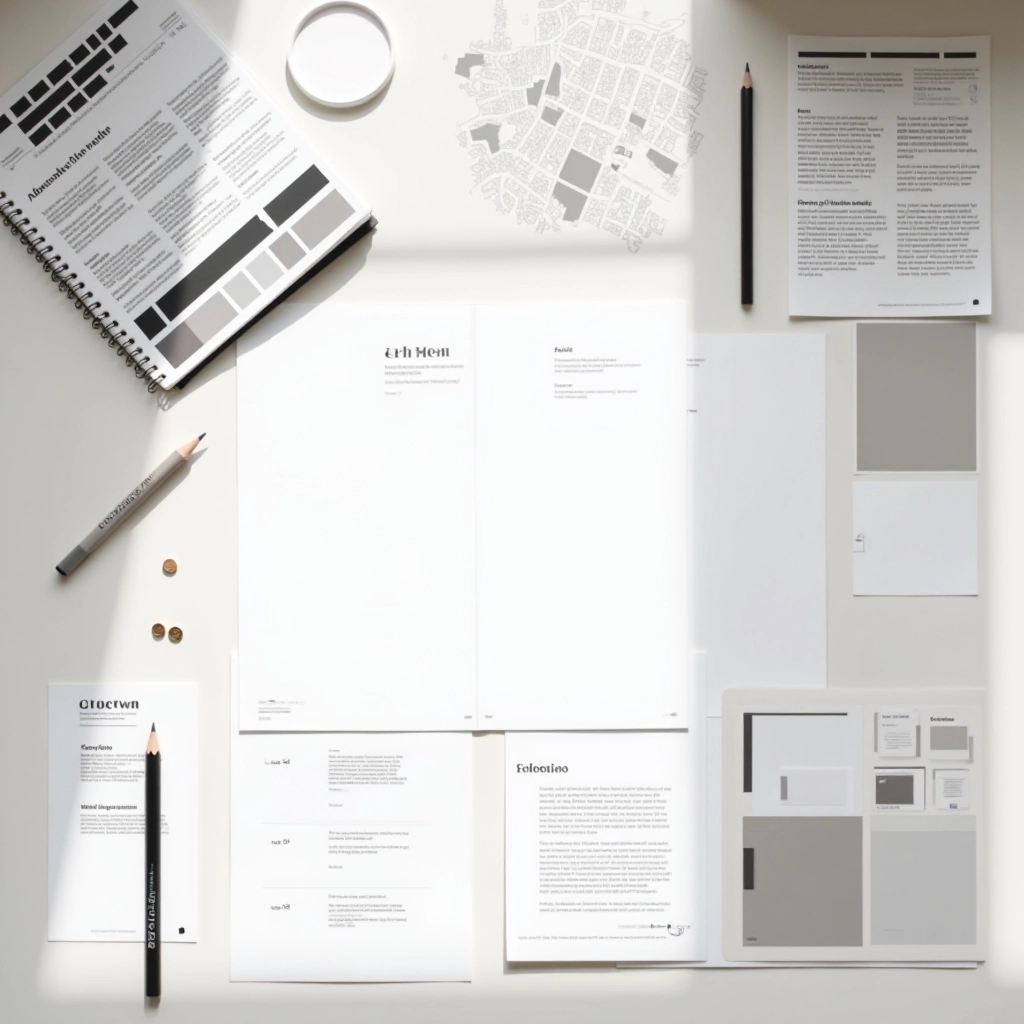
ComponentVault Editorial Team workspace with design system documentation and Figma component library materials

Why We Started This

ComponentVault was founded because we kept seeing the same pattern: teams building component libraries in Figma without clear direction, hitting walls, and wondering if they're doing it right.

The Problem We Saw

Edmonton design and development teams were asking the right questions—how do we organize components? What belongs in a library? When do we version?—but finding honest answers was hard. Most guidance was either too theoretical or too prescriptive, written for teams in different situations with different constraints.

What We Do Now

We research actual design system practices, test guidance against real workflows, and document what we learn in clear language. We're not here to sell tools or pretend there's one perfect way to build a design system. We're here to help you understand the choices, the trade-offs, and what works for teams like yours.

How We Work

Each article starts with a real problem teams face. We research current Figma capabilities, study how systems are actually organized, and test approaches that help them grow without breaking. Content gets reviewed for accuracy and updated regularly as Figma evolves. We write for people who need honest, straightforward guidance—not marketing copy.

What We Check in Every Guide

Our editorial process focuses on practical accuracy and usefulness. Here's what we verify.

Current Features

Figma updates frequently. We check that feature names, workflows, and UI match what's actually available right now—not what used to be true or what's coming next.

Real Workflows

We test guidance against how teams actually work. If something sounds right in theory but breaks in practice, we catch it and rewrite the guidance to reflect reality.

Honest Limitations

We don't hide the hard parts or pretend there's a perfect solution. When something's tricky or when there are trade-offs, we say so clearly.

Regular Updates

Content gets reviewed and updated as Figma capabilities change and as we learn from teams using these systems. Publication dates and change notes stay visible.

Edmonton Context

We write for Edmonton teams—startups, agencies, in-house teams, remote teams. Examples and scenarios reflect the kinds of constraints and opportunities that exist here.

Clear Writing

We skip the jargon and marketing speak. If something can be explained in plain language, we explain it that way. You shouldn't need a dictionary to understand design system guidance.

Our Editorial Values

Practical Over Perfect

We'd rather give you guidance you can use today than wait for the theoretically perfect answer that might never come. Real systems are messy—our writing reflects that.

Specific Over Generic

Every guide focuses on a concrete problem with real steps. We don't write abstract principles—we write "here's how to do this thing in Figma" with actual workflows and examples.

Honest Over Polished

We talk about what works and what doesn't. If a common approach has serious drawbacks, we tell you. If there's no perfect solution, we explain the trade-offs clearly.

Current Over Timeless

Figma changes. Tools evolve. Best practices shift. We keep content updated and date everything clearly so you know what version of the world we're writing about.

About ComponentVault Editorial Team

We're the editorial team at ComponentVault Design Systems Ltd, focused on researching and documenting practical approaches to design systems and component libraries.

Our work involves staying current with Figma's evolving feature set, understanding how Edmonton-based design and development teams actually build and maintain component libraries, and testing guidance against real-world workflows. We review every article for clarity, accuracy, and usefulness before publishing.

We choose topics based on the challenges teams bring to us. Component architecture. Variant strategy. Governance as systems grow. Documentation that sticks. Token implementation. We write about the work that's actually hard, the decisions that matter, and the approaches that help systems last.

Content is updated regularly as Figma capabilities change and as we learn from teams using these systems in practice. We check every detail—feature names, workflows, common pitfalls. We write without hype because your system needs honesty, not promises of perfection.

Company

ComponentVault Design Systems Ltd

Location

Edmonton, Canada

Focus

Figma component libraries and design systems for scalable UI kit creation

Founded

2022

Latest Guides from Our Team

We've published practical guides on component libraries, design tokens, governance, and system maintenance. Here's what we're working on.

Setting Up Your First Component Library in Figma

How to structure files, organize pages, and create your first reusable components

Starting a component library feels overwhelming. We walk through the exact decisions you'll make in the first week—file structure, naming conventions, and what belongs in your first batch of components.

Read the guide

Creating Flexible Component Variants for Every Use Case

Building variants that reduce duplication and handle real design needs

Variants are powerful but easy to overuse. We cover how to think about variant strategy, when to create a new variant versus a new component, and how to keep your variant structure sane as it grows.

Read the guide

Building Design Tokens That Your Team Actually Uses

Defining, documenting, and implementing tokens that designers and developers both understand

Tokens are supposed to make systems easier to maintain. Too often they make things more complicated. We share how to define tokens that serve a real purpose and document them in a way that sticks.

Read the guide

Maintaining Your Design System as Your Team Grows

Governance, processes, and decisions that scale without killing the system

Systems that work for three people break when the team becomes ten. We cover how governance changes as teams grow, when to formalize processes, and how to keep your system alive and useful.

Read the guide

Have Questions or Feedback?

We'd like to hear from you. If you've got feedback on our guides, questions about design systems, or suggestions for topics we should cover, get in touch.

Send us a message